Yosemite Firefall 2026: Crowds, Snowstorm Closures & No Reservations
Presidents Day weekend brought Yosemite Firefall Horsetail Fall crowds, shuttle gridlock, and a major snowstorm to Yosemite Valley. Here’s what happened — and why skipping Firefall in 2026 might be the better winter plan.
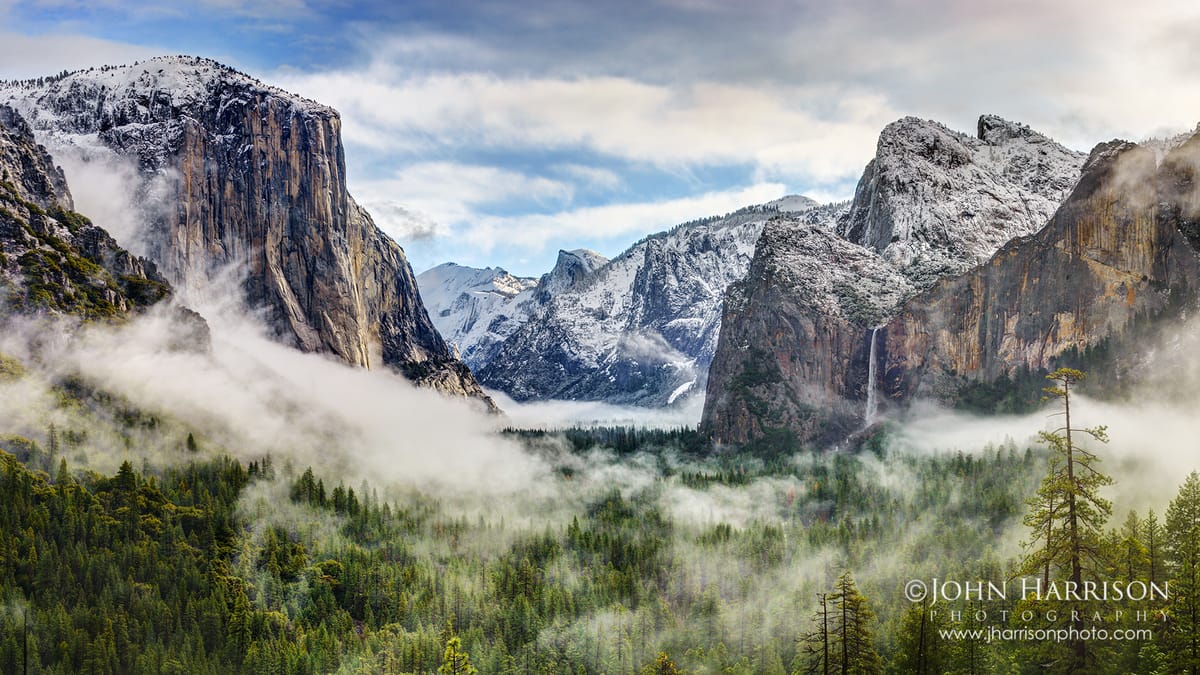
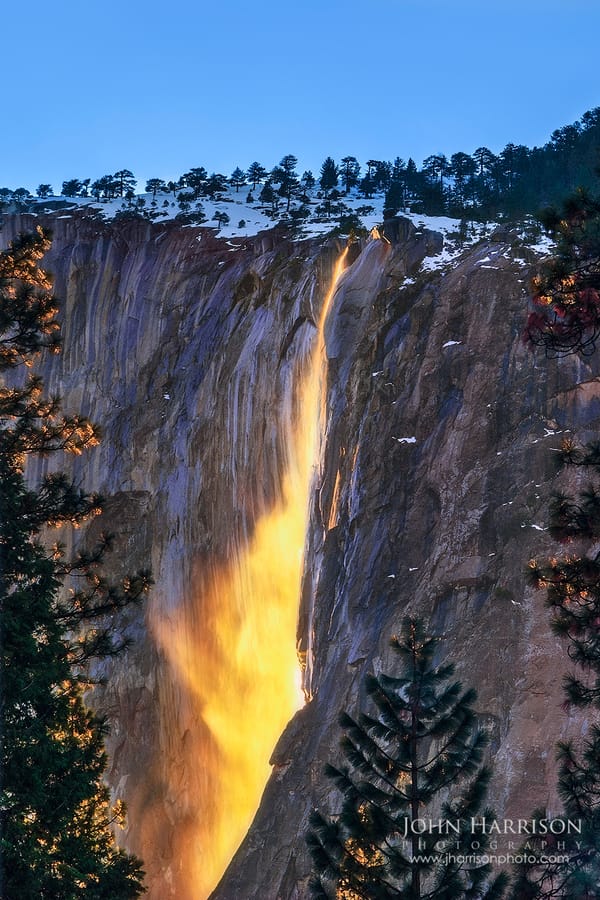
Over Presidents Day weekend, thousands of visitors descended on Yosemite Valley hoping to witness the 2026 Yosemite Firefall — that brief moment when Horsetail Fall glows orange at sunset on El Capitan.
Local reporting over the holiday weekend described full parking lots, heavy congestion, and long lines for shuttles as visitors converged on the Horsetail Fall viewing corridor. By mid-afternoon, key Valley parking areas were already at capacity.
What unfolded wasn’t unusual for Firefall weekends — it was a concentrated surge compressed into a narrow window of time, with thousands hoping for five to ten minutes of light.
And the light never came.
Low clouds blocked sunset both Saturday and Sunday.
By Monday, conditions escalated dramatically.
Yosemite entered a major winter storm cycle.
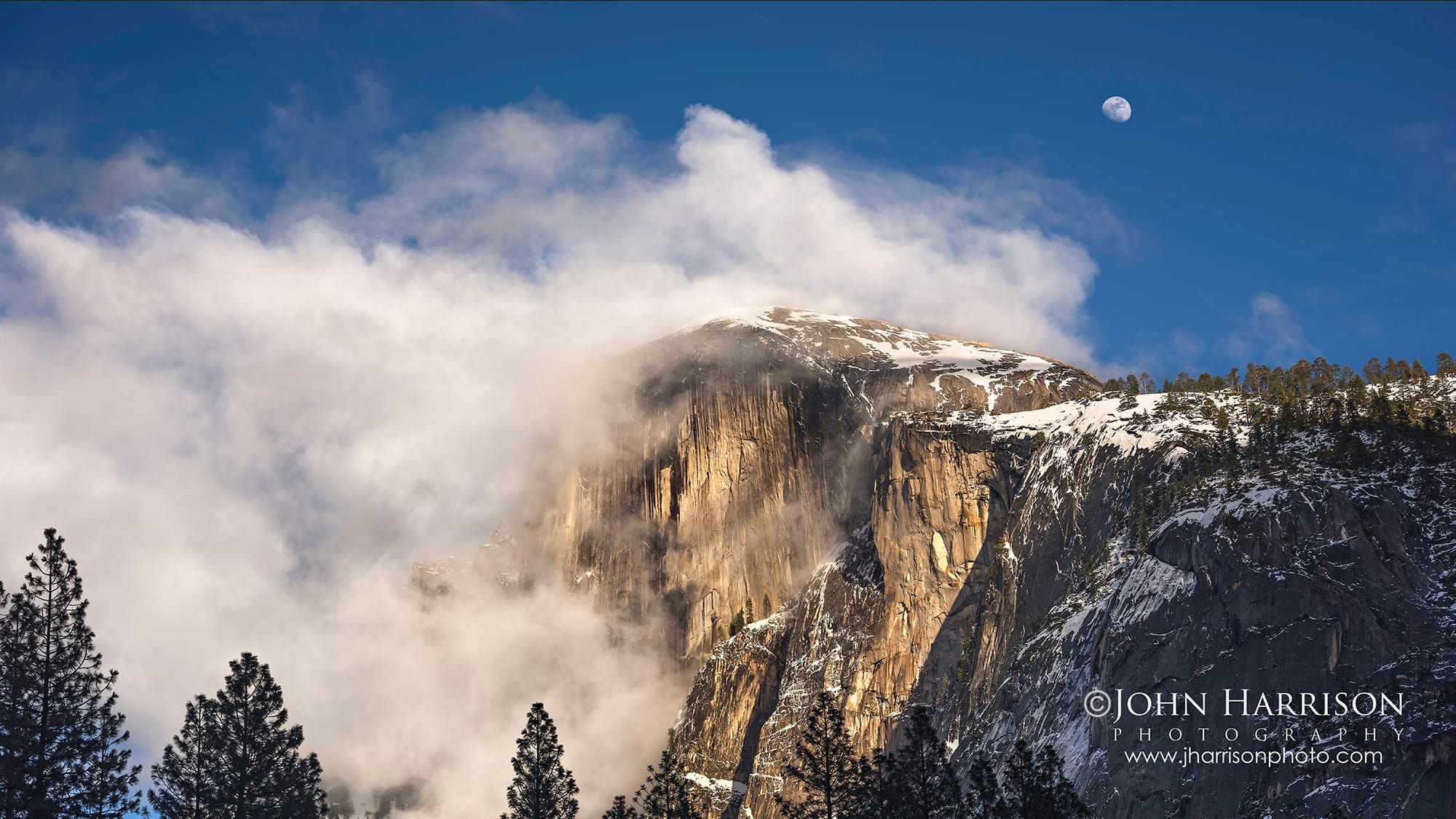
Yosemite Is Now Under a Winter Storm Warning
According to the National Weather Service, Yosemite is currently under a Winter Storm Warning (February 18, 2026), with:
- 3 to 5 feet of snow above 6,000 feet
- 5 to 7 feet at the highest elevations
- 1 to 2 feet around 4,000 feet
- Up to a foot below 3,000 feet
- Wind gusts reaching 60 mph
- Temperatures dropping as low as 12°F
Travel conditions are expected to be very difficult — and at times potentially impossible.
Chain controls are in effect and may change rapidly!
Curry Village tent cabins were evacuated due to wind concerns. Campgrounds were closed. Major park roads have experienced intermittent closures.
The Firefall corridor — already strained by crowd volume — is now layered with active winter hazards.
Horsetail Fall (Yosemite Firefall) Weekends Are Not “Most Weekdays”
At the same time, Yosemite National Park announced it would not reinstate a vehicle reservation system for 2026, citing weekday capacity and operational data.
The park noted that “most weekdays maintained available parking and stable traffic flow.”
Yosemite Firefall Horsetail Fall weekends aren’t “most weekdays.”
They are highly concentrated, weather-dependent surges around a five-to-ten-minute sunset window. When conditions might align, thousands converge on a narrow corridor along El Capitan Meadow.
The light is unpredictable.
The crowd concentration is not.
The reservation system wasn’t perfect. But it created predictability for one of the most fragile and congested seasonal events in Yosemite Valley.
Without it, traffic management becomes reactive rather than preventive.
A Perfect Storm of Variables
Horsetail Fall (Yosemite Firefall) depends on:
- Snowpack at higher elevations
- Sufficient waterfall flow
- Clear western skies
- A precise angle of sunset light
Now layer on:
• Multi-foot snowfall
• 60 mph winds
• Active chain controls
• Road closures
• Evacuations
• Shuttles overwhelmed
• Cloud cover blocking the glow
The margin for disappointment becomes very high. With this storm cycle, illumination is unlikely for several more days.
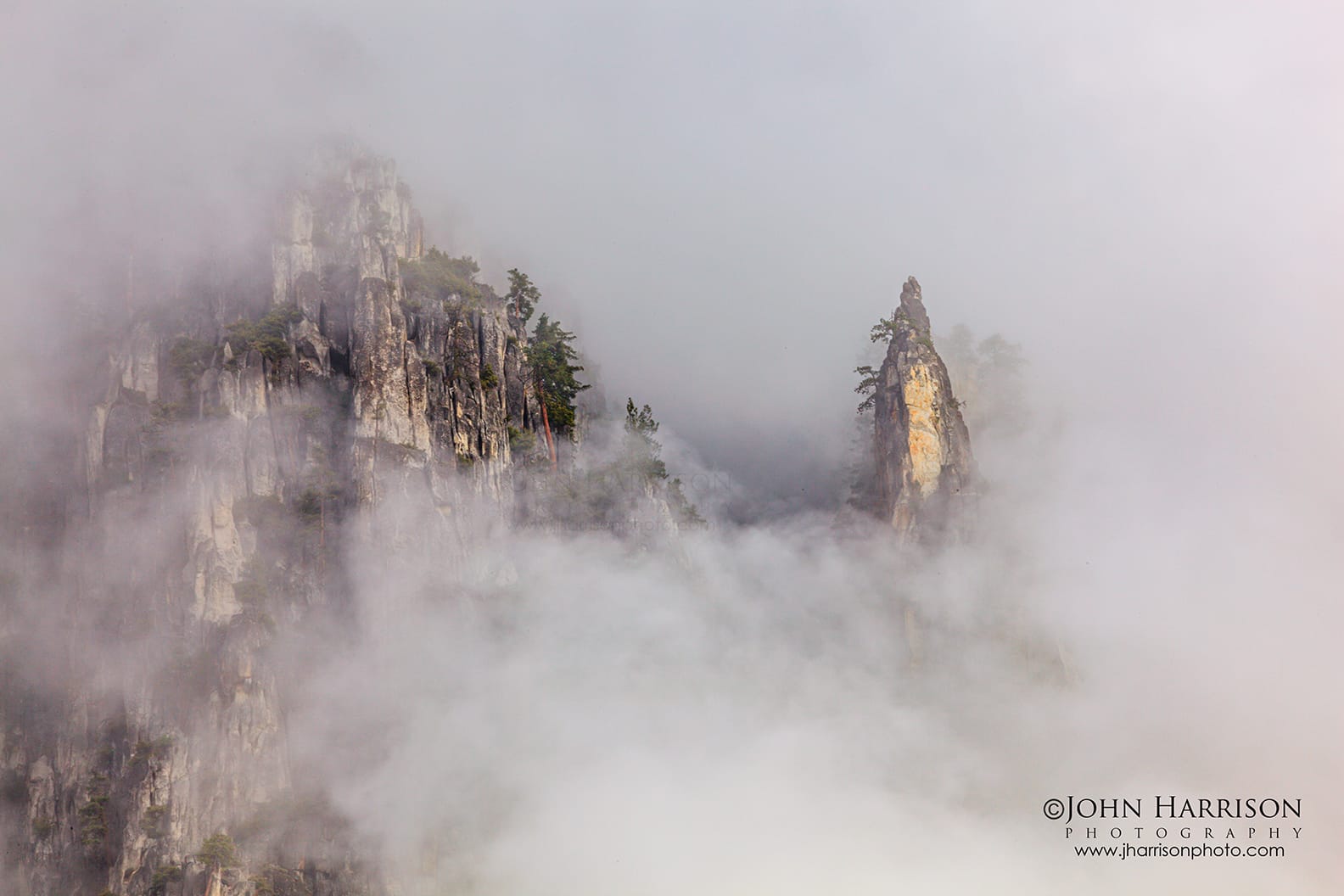
Meanwhile, Yosemite Was Becoming Something Else
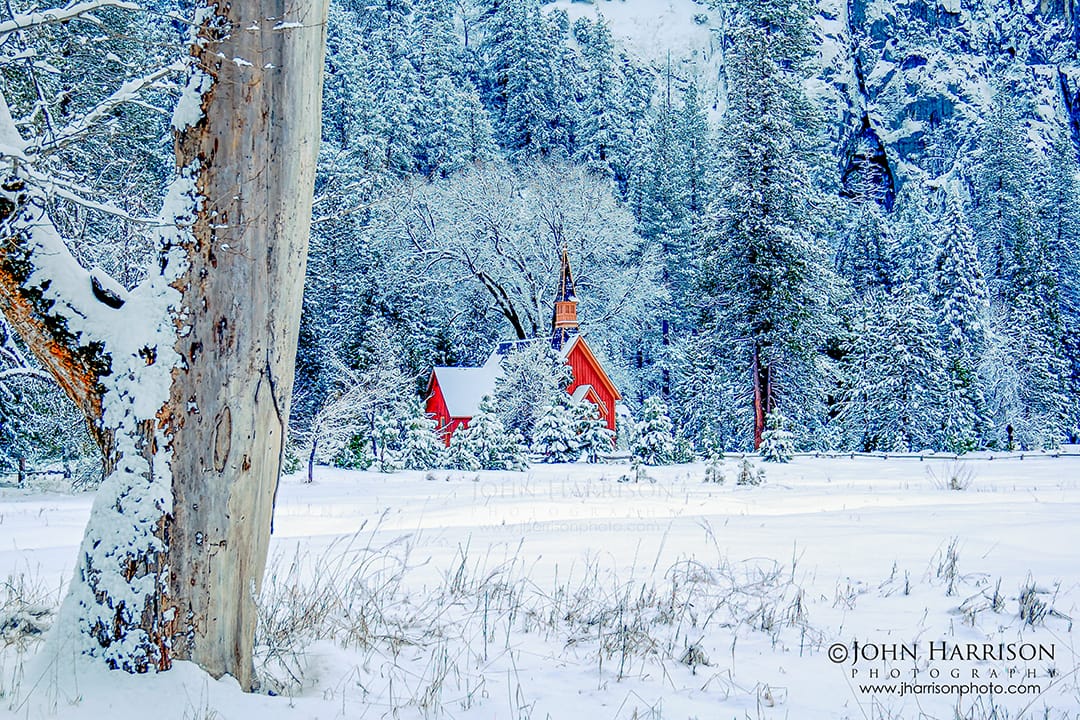
While visitors waited in shuttle lines for a Firefall that never appeared, Yosemite was quietly transforming.
Clearing storms.
Snow-softened granite.
Mist along the Merced River.
Fresh cross-country tracks on Glacier Point Road.
Silent meadows under new powder.
Winter in Yosemite is not a five-minute alignment.
It’s an atmosphere to be fully appreciated and enjoyed.
And ironically, the most extraordinary moments of the weekend likely happened away from the Firefall viewing corridor.
I Wrote About This Earlier This Month
I’ve been photographing Yosemite for 30 years.
Earlier this February, I wrote that I would be skipping Firefall in 2026.
Not because it isn’t beautiful — it is.
But because the experience around it has changed.
When an event depends on perfect weather conditions — during a season defined by instability — and thousands plan around it, the risk becomes clear.
This weekend wasn’t surprising.
It was predictable. Concentrated visitation plus volatile winter weather rarely produces a smooth outcome.
Experience Yosemite Beyond the Firefall
If you're planning a February trip, I’ll send you my exact Yosemite Valley winter map — quiet pullouts, easy walks, parking strategy, and a simple cold-weather packing checklist.
A Different Way to Experience February in Yosemite
If you’re planning a winter visit, this isn’t an argument against Yosemite.
It’s an argument for widening the lens and looking around.
Tunnel View after a clearing storm.
Merced River walks.
Mirror Lake reflections.
Fern Spring.
Ranger and Ansel Adams center programs.
Ice skating (when conditions allow).
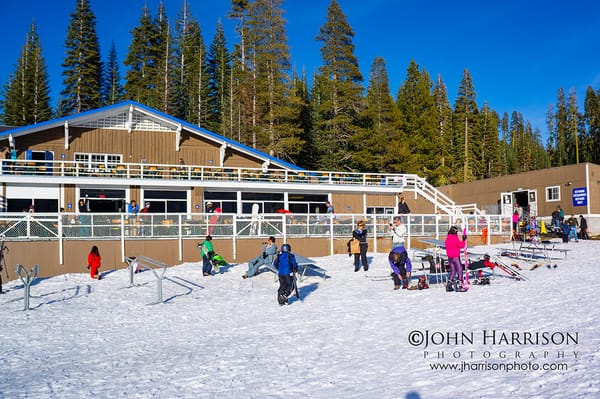
Badger Pass skiing.
Stargazing in true darkness.
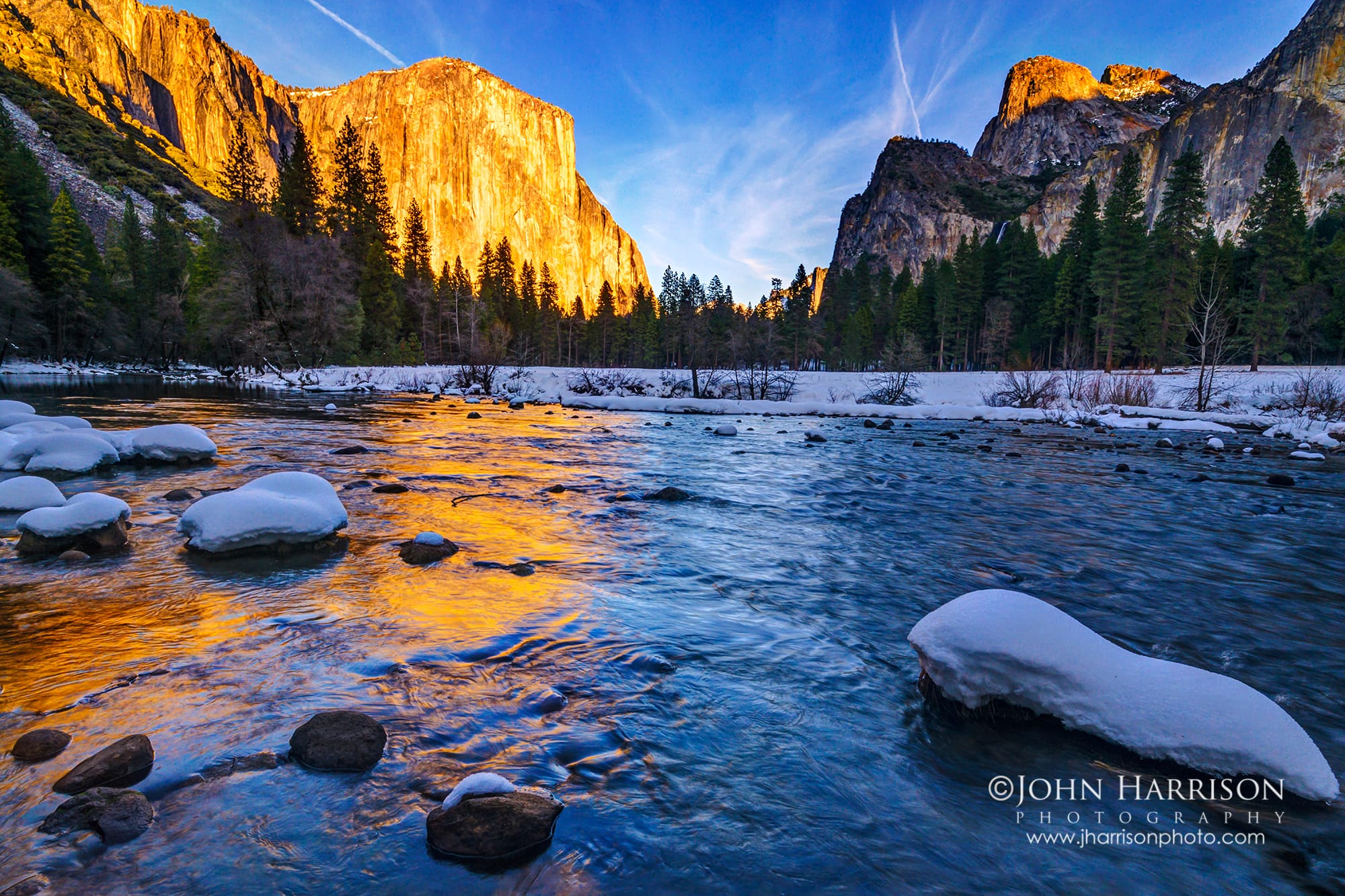
Earlier this month, I outlined the exact winter itinerary I use with my family when we want to experience Yosemite without building the entire day around a single sunset gamble:
My Final Thoughts
Horsetail Fall will always be compelling when it appears.
But Yosemite in winter is bigger than one glow.
With multiple feet of snow falling this week, chain controls active, and storms reshaping the Valley in real time, this moment is a reminder: Yosemite doesn’t operate on human schedules.
The question isn’t whether Firefall will glow.
It’s how you choose to experience Yosemite when the storm rolls in.
After 30 years photographing this place, I’ve learned something simple:
Yosemite isn’t a postcard.
It’s meant to be savored.
— John Harrison
Bring Yosemite home
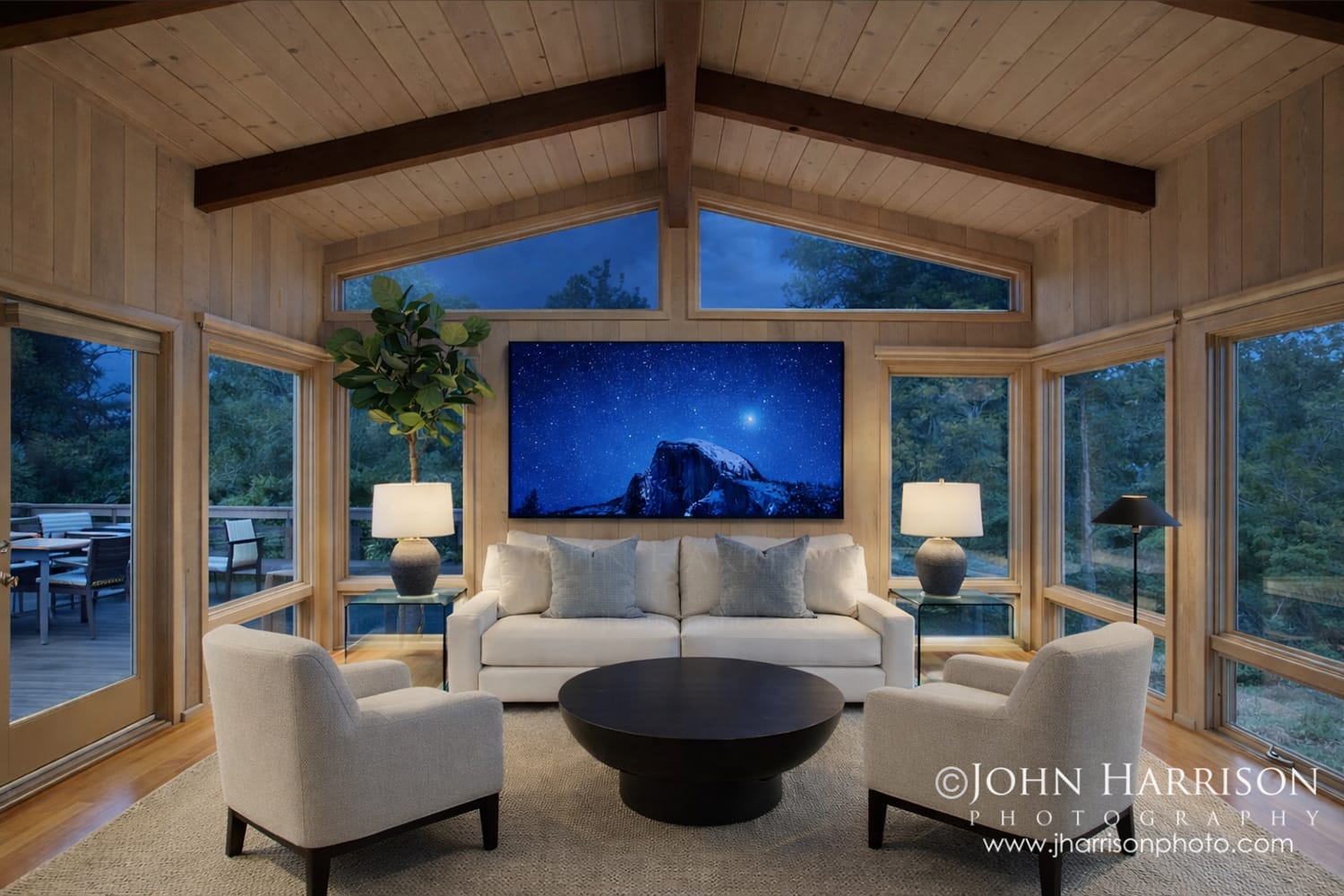
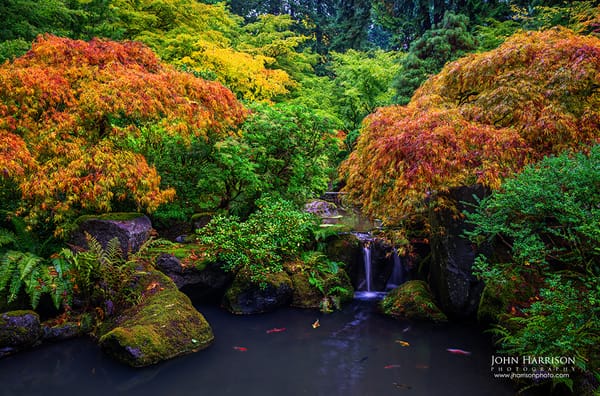
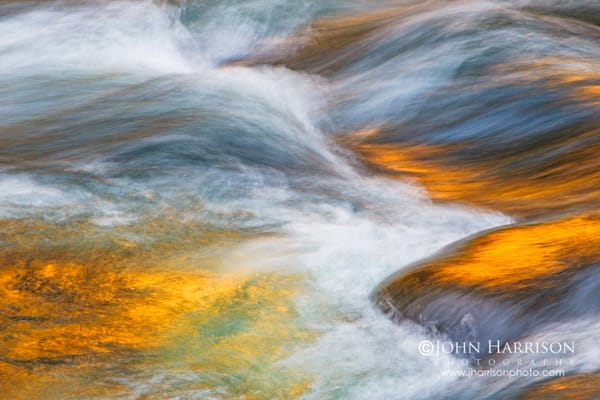
These quiet winter mornings, glowing sunsets, and peaceful river reflections are why I keep returning to Yosemite. If you'd like to live with this light every day, explore my Yosemite fine art photography prints — or subscribe for new winter itineraries, map pins, and photography notes.